KITCHEN
The kitchen is one of the busiest spaces in any Indian home. It is the place where meals are prepared every day, where the family spends time together in the morning, and where many important daily moments happen. A well-planned kitchen interior design makes all of this easier. It makes cooking more comfortable, cleaning simpler, and the space more enjoyable to use.
Earlier, kitchens in Indian homes were seen only as functional spaces. They were usually kept separate, made for basic use, and were not given much importance in design. But now, this has changed a lot. Today, many Indian homeowners want a kitchen that looks stylish and also works efficiently.
The good thing is that a great kitchen interior design does not always need a big space or a high budget. It mainly needs smart planning.
This guide explains everything needed for a well-designed kitchen. It includes important elements, different layouts, colour combinations, design styles for every budget, special needs for Indian cooking, common mistakes to avoid, and answers to the questions people usually ask before planning their kitchen.
Key Elements of Kitchen Interior Design
1. Kitchen Layout
The layout is the single most important decision in kitchen interior design. It determines how you move through the kitchen, how efficiently you can cook, and how much storage you can fit in. Getting the layout right before anything else is essential.
The most common type of kitchen layouts in Indian homes are:
1. L-Shaped Kitchen
One of the most popular layouts for Indian apartments. Cabinets and countertops are placed along two connected walls, creating an L shape. It uses corner space properly, keeps the cooking and storage areas organised, and works comfortably for one or two people cooking together.
2. Parallel Kitchen
Two rows of cabinets and countertops are placed opposite each other on two walls. This is one of the most useful layouts for long and narrow kitchens. It provides excellent counter space and storage, but there should be at least 6 feet of space between both sides for easy movement.
3. U-Shaped Kitchen
In a U shaped Kitchen, cabinets and countertops are placed along three walls. This layout gives maximum counter space and storage and works best for bigger kitchens where two or more people cook regularly.
4. Straight or Single-Wall Kitchen
All cabinets and appliances are placed along one wall. This is the most compact layout and works well for very small kitchens or open spaces where the kitchen is connected to the living or dining area.
5. Island Kitchen
A separate counter or unit is placed in the centre of the kitchen, away from the main cabinets. Island kitchens need a large space, at least 10 to 12 feet wide, but they provide extra counter space, storage, and a more social feel that other layouts do not offer.
The layout you choose should depend on the actual shape and size of your kitchen, not only on what looks attractive. The best layout for your home is the one that makes daily cooking easy, comfortable, and efficient.
2. Cabinets and Shutters
Kitchen cabinets are the main visual part of any kitchen interior. They cover the largest area and decide the overall look more than any other feature.
For materials, marine ply with laminate finish is the most commonly used option for kitchen cabinets in India. It is strong, moisture-resistant, and comes in many colours and textures. MDF with acrylic or PU finish gives a smoother and more premium appearance and is popular in modern and luxury kitchen interior design. Solid wood cabinets look beautiful but need more care in Indian kitchen conditions.
For shutter styles, flat-panel or slab shutters are the most popular choice in modern kitchen interior design. They are simple, easy to clean, and work well with many colour options. Profile shutters with framed edges give a more classic and traditional appearance. Handleless shutters with push-to-open systems create a seamless and premium look that suits both simple and luxury kitchen styles.
If you are thinking about how to choose kitchen cabinets for small spaces, the best way is to use tall cabinets that cover the full wall height, avoid bulky designs that take up extra room, and pick lighter finishes that make the kitchen feel more open and clean.
3. Countertop
The countertop is where most kitchen work takes place, so it should be strong, easy to clean, and heat-resistant, especially in Indian kitchens where daily cooking involves high heat, oil, and spices. Understanding how to select durable kitchen countertop materials can help you choose an option that lasts longer and matches your cooking needs.
- Granite is one of the most popular countertop materials in Indian kitchens. It is highly durable, heat-resistant, available in many colours, and reasonably affordable.
- Quartz is another modern option that is becoming more popular. It is non-porous, easy to maintain, and gives a clean and stylish look that fits modern kitchen interior design.
- Marble countertops look elegant but need more care because they can stain and scratch more easily than granite or quartz.
They are more suitable for display areas than heavy cooking spaces.
4. Backsplash
The backsplash is the tiled or finished area between the countertop and the upper cabinets. In Indian kitchens, it has an important practical purpose because it protects the wall against oil, steam, and food splashes created during daily cooking.
Ceramic and vitrified tiles are the most common backsplash materials in India because they are easy to clean, affordable, and available in many colours, patterns, and sizes. For a more premium appearance, large-format tiles, glass mosaic tiles, or even full marble or quartz slabs are popular choices in modern and luxury kitchen interior design.
The backsplash is also one of the easiest ways to add personality and colour to a kitchen without making major changes. A colourful or patterned backsplash can completely change the look of a simple kitchen interior.
5. Flooring
Kitchen flooring should handle heavy daily use, moisture, cooking spills, and regular cleaning. Anti-skid vitrified tiles are the most practical choice for Indian kitchens because they are durable, easy to clean, and available in many sizes and finishes.
Large-format tiles make the kitchen look bigger and more seamless. Smaller or patterned tiles add character and are popular in traditional or creative kitchen interior designs. Avoid highly glossy or polished floor tiles in the kitchen because they show marks easily and become slippery when wet.
6. Lighting
Kitchen lighting is often ignored, but it is very important for proper kitchen use. You should be able to see clearly while chopping, cooking, and reading labels. Poor kitchen lighting is not only unattractive but also unsafe.
The best method is layered lighting. A ceiling light gives general brightness to the space. Under-cabinet LED strip lights placed below the upper cabinets directly light up the countertop and make cooking much easier. A pendant light above a kitchen island or dining counter adds warmth and visual appeal.
In Indian kitchens, the stove and chimney area should have especially good lighting. Cool white or neutral white lights work better than warm white lights because they help you see colours clearly while cooking.
7. Ventilation and Chimney
This is a feature that is very important in Indian kitchen design and is often ignored in international design content. Indian cooking uses high heat, strong spices, deep frying, and long daily cooking sessions that create a large amount of smoke and steam.
Without proper ventilation, cooking smells spread through the house, grease builds up on walls and cabinets, and the kitchen becomes uncomfortable to work in.
A kitchen chimney is essential in Indian kitchen interior design. Auto-clean chimneys are the most practical option because they need less manual cleaning. The chimney should be installed directly above the cooking hob, and its power should match the size of the kitchen and the level of cooking done daily.
Along with the chimney, the kitchen should also have a window or exhaust fan for proper airflow. A kitchen with good ventilation stays cleaner, smells fresher, and feels more comfortable for daily cooking.
8. Storage
Lack of storage is one of the most common problems in Indian kitchen interior design. Kitchens need space for utensils, spices, dry items, appliances, cleaning products, and many other things, so organised and easy-to-reach storage is very important.
The most useful storage solutions for Indian kitchens include tall cabinets that use the full wall height, pull-out drawers in lower cabinets instead of shelves because they make it easier to reach items kept at the back, a separate spice pull-out or spice drawer near the cooking area, and a waste bin unit built inside the cabinet below the sink.
Overhead cabinets should not reach all the way to the ceiling in kitchens with low ceilings because it makes the kitchen look heavy and closed. Leave a small gap at the top and use that space for a few decorative items or plants if you like.
Kitchen Interior Colour Combination
Colour in kitchen interior design does two things. It changes the overall look and feel of the kitchen, and it also affects how big or small the space looks. Choosing the right kitchen interior colour combination is one of the most important decisions while designing a kitchen.
Here are some practical and popular kitchen interior colour combinations that look great in Indian homes:
1. White and Wood
One of the most flexible and most loved combinations. White upper cabinets with warm wood-finish lower cabinets create a clean, bright kitchen that feels fresh and open. This combination suits modern, simple, and traditional kitchen styles, and it works well in both small and large kitchens.
2. Grey and White
A contemporary classic. Light grey or slate grey cabinets with white countertops and light-coloured tiles create a stylish kitchen interior that always stays in trend. Silver or chrome handles complete the look beautifully.
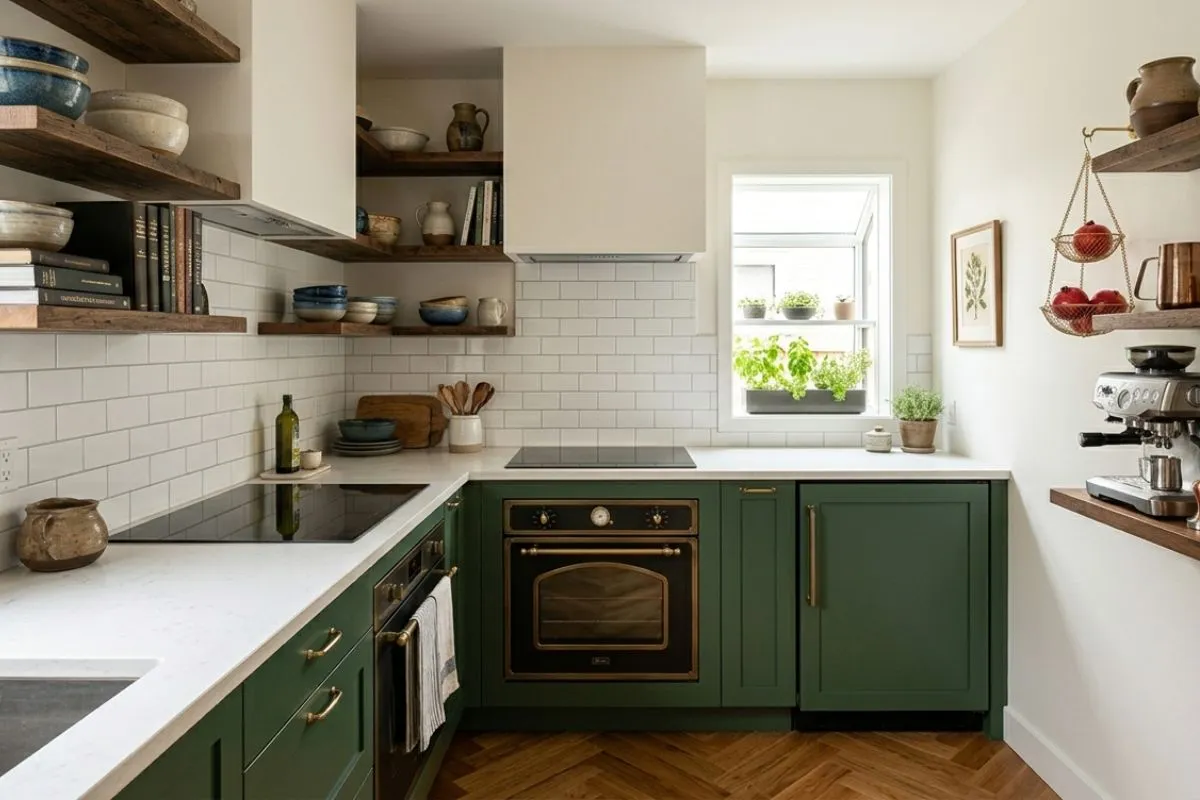
3. Olive Green and Cream
Olive Green and Cream is currently one of the most popular choices in modern Indian kitchen interior design. Olive or sage green lower cabinets with cream or off-white upper cabinets and a warm stone countertop create a calm, natural, and beautiful kitchen.
This colour combination works especially well in kitchens with good natural light.
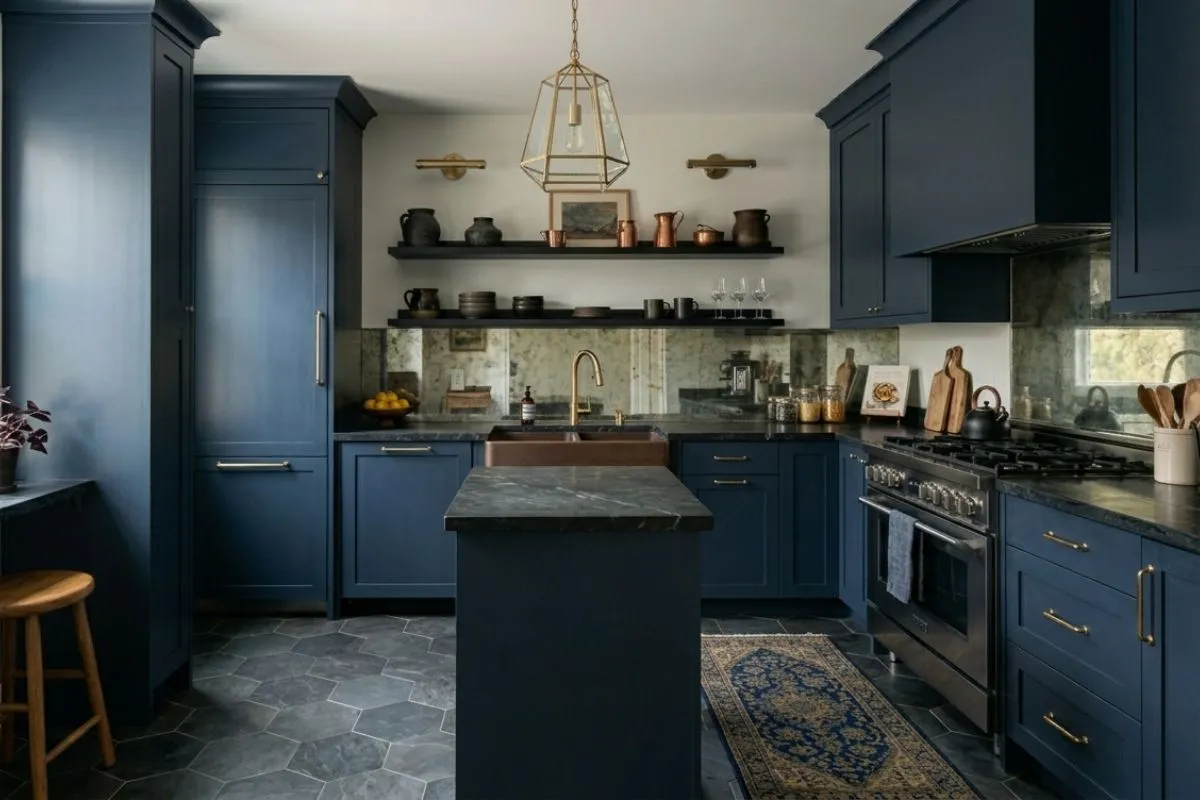
4. Navy and Gold
Deep navy blue cabinets with gold or brass hardware and a white or light countertop make a strong design statement. This combination is particularly popular in luxury kitchen interior design where the kitchen is visible from the living or dining area.
5. All-White Kitchen
This one is a timeless choice that never goes out of style. White cabinets, white countertops, and white or light-grey tiles make the kitchen look neat, clean, and more spacious. It also helps plants, colourful appliances, or patterned backsplashes stand out nicely.
6. Terracotta and Off-White
Terracotta and Off-White gives a warm and traditional Indian feel. Terracotta or burnt orange tones in the lower cabinets or backsplash tiles, paired with off-white upper cabinets and a natural stone countertop, create a warm and earthy kitchen that matches beautifully with Indian interiors.
23+ Kitchen Interior Design Styles
Many homeowners explore popular kitchen interior design styles in India before choosing the right setup for their home, as the design style influences every major decision, including cabinet finishes, countertop materials, and lighting selection. The styles below include everything from simple and budget-friendly layouts to fully customised luxury kitchens.
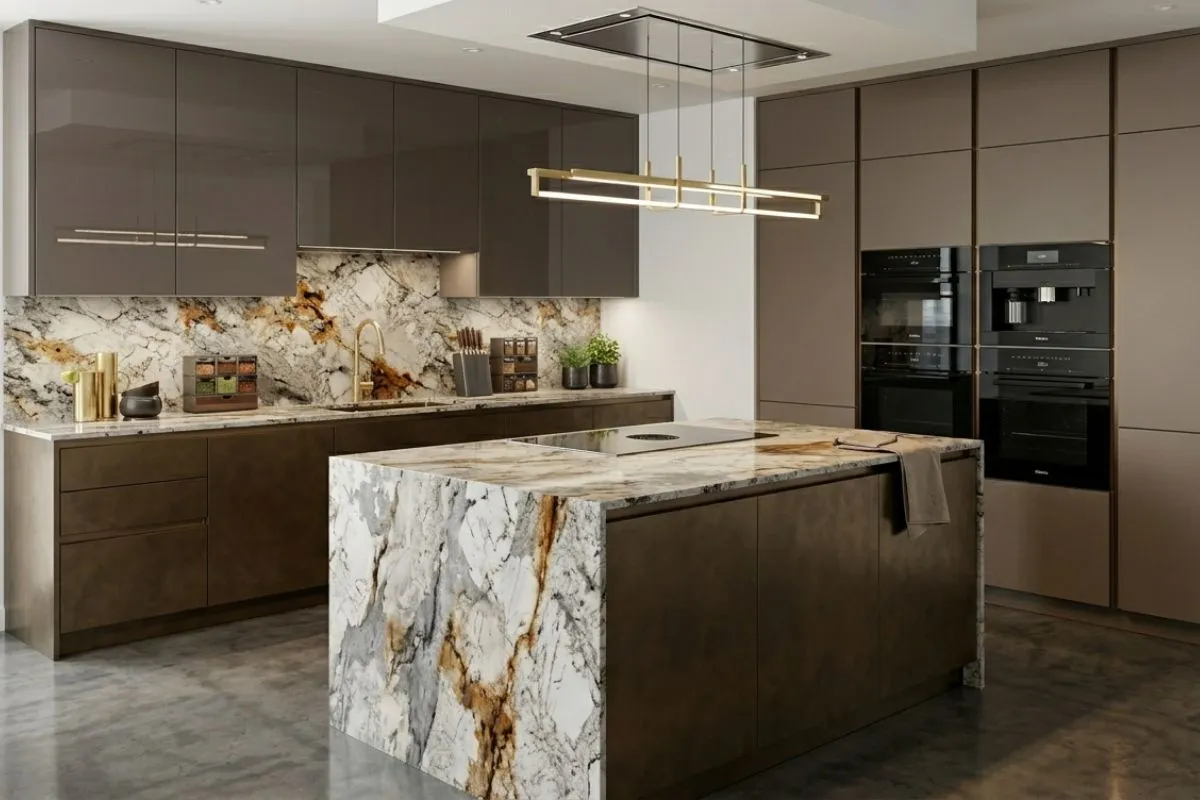
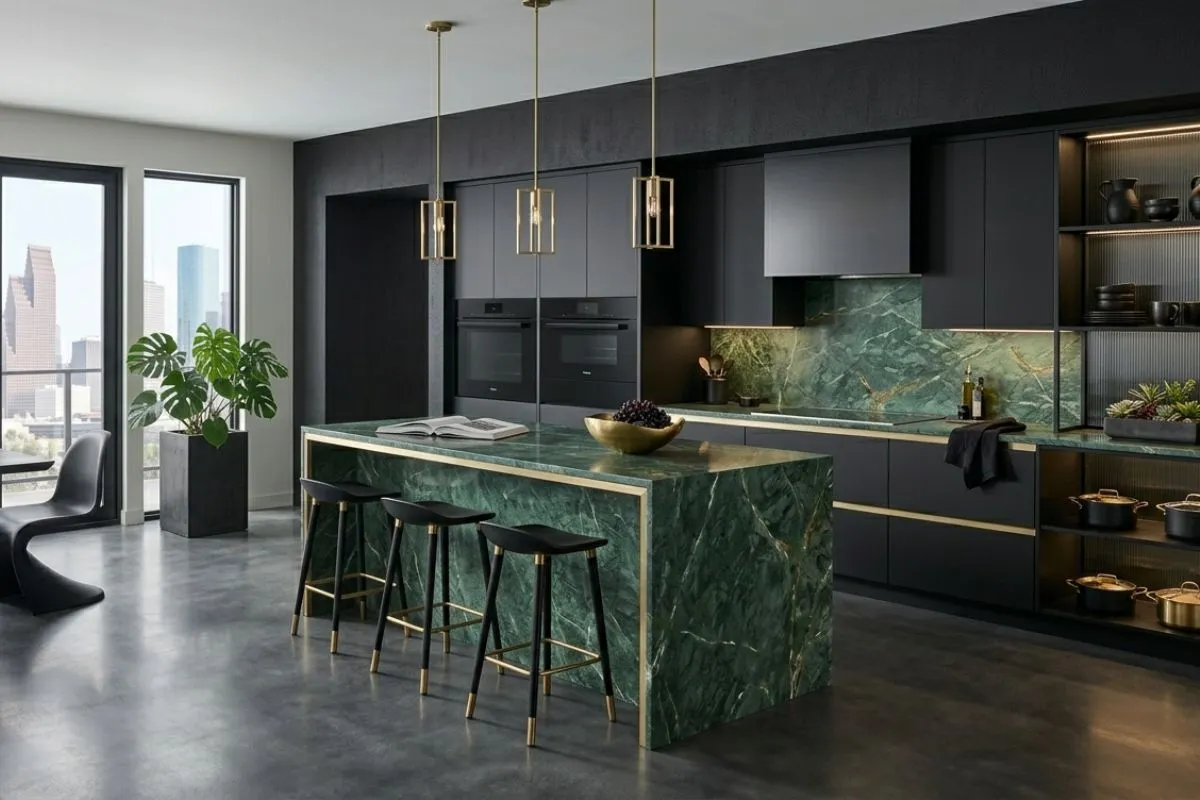
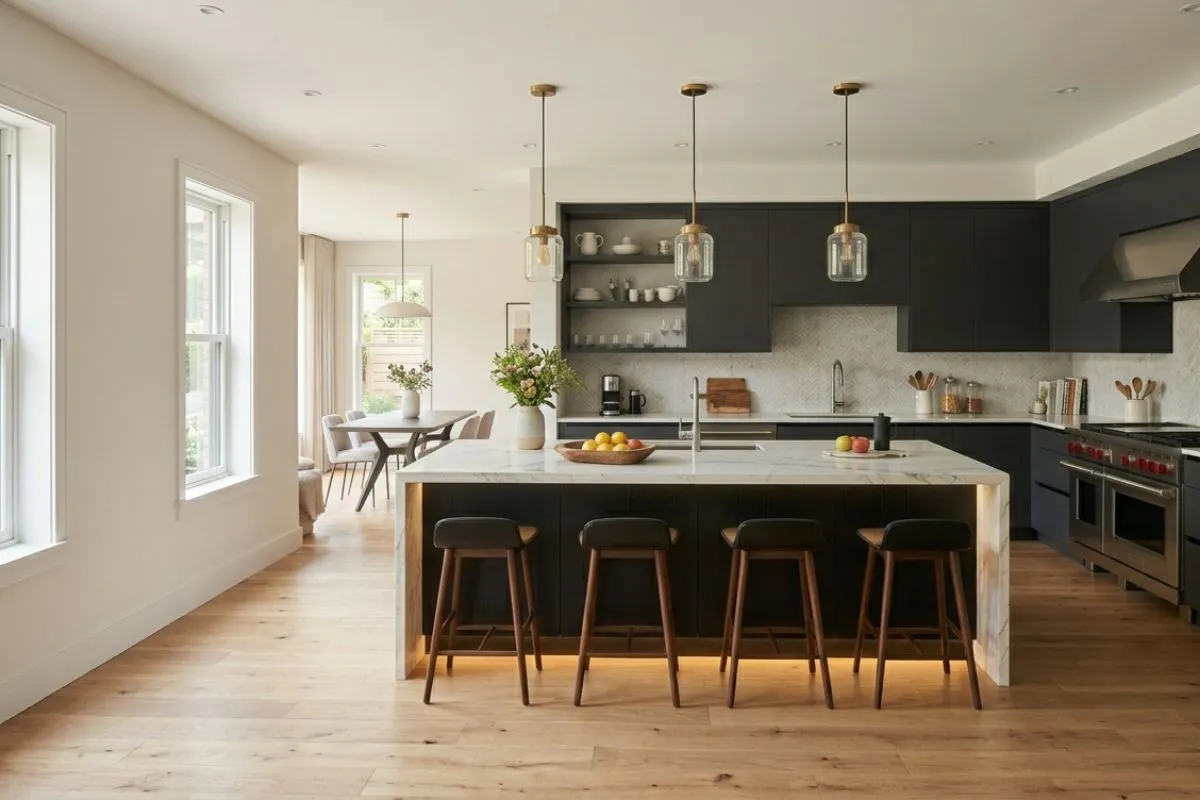
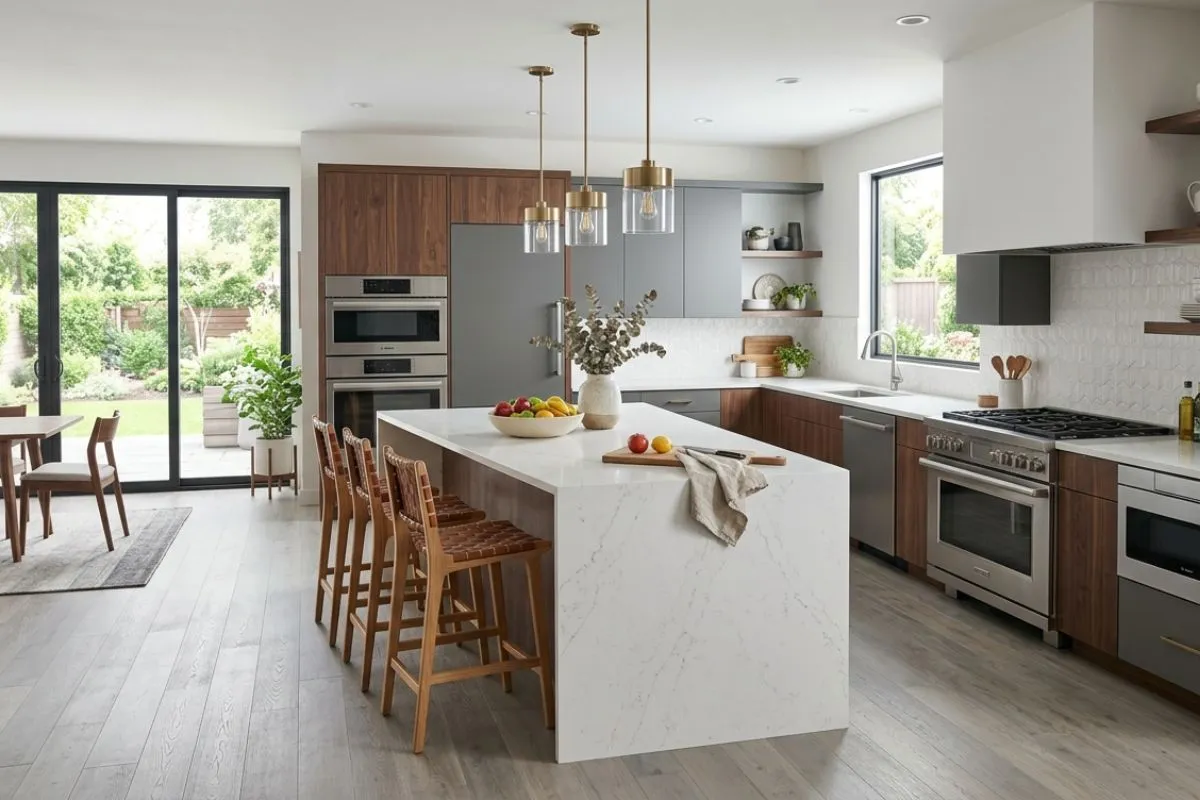
1. Modern Kitchen Interior Design
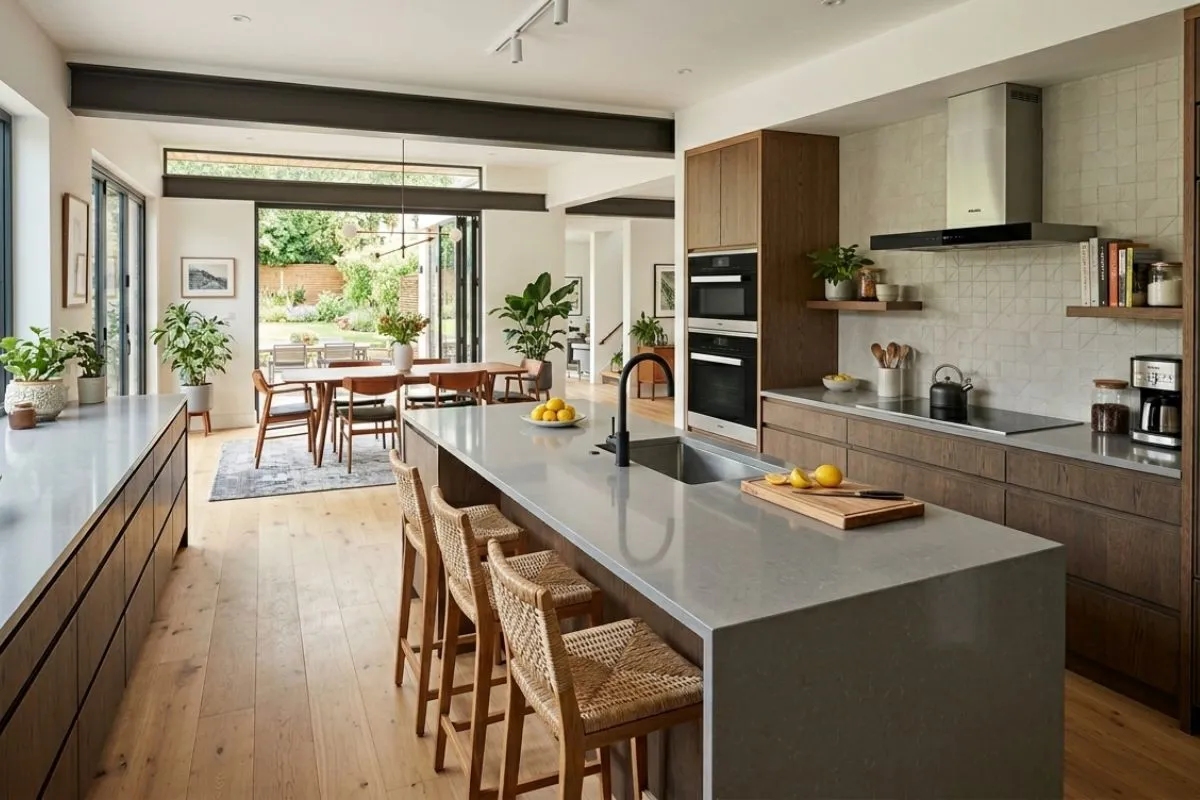
Modern kitchen interior design is known for clean lines, simple cabinet designs, built-in appliances, and a balanced colour palette. Every part of the kitchen is chosen carefully for both style and daily use.
In Indian homes, modern kitchen interior design is one of the most preferred styles because it looks attractive, stays stylish for years, and is easy to maintain. Handle-less cabinets, large tiles, under-cabinet lights, and quartz countertops are common features in a modern Indian kitchen.
The overall look feels neat, organised, and welcoming without looking too plain or too heavy.
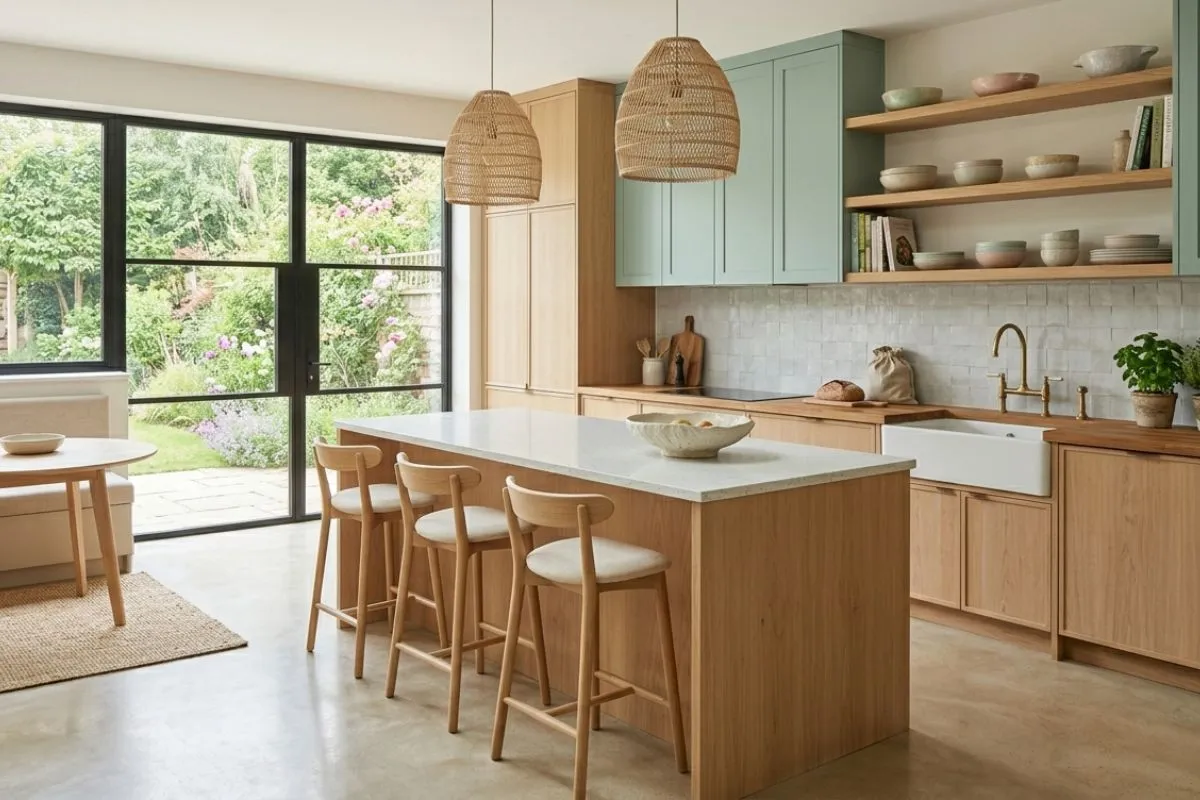
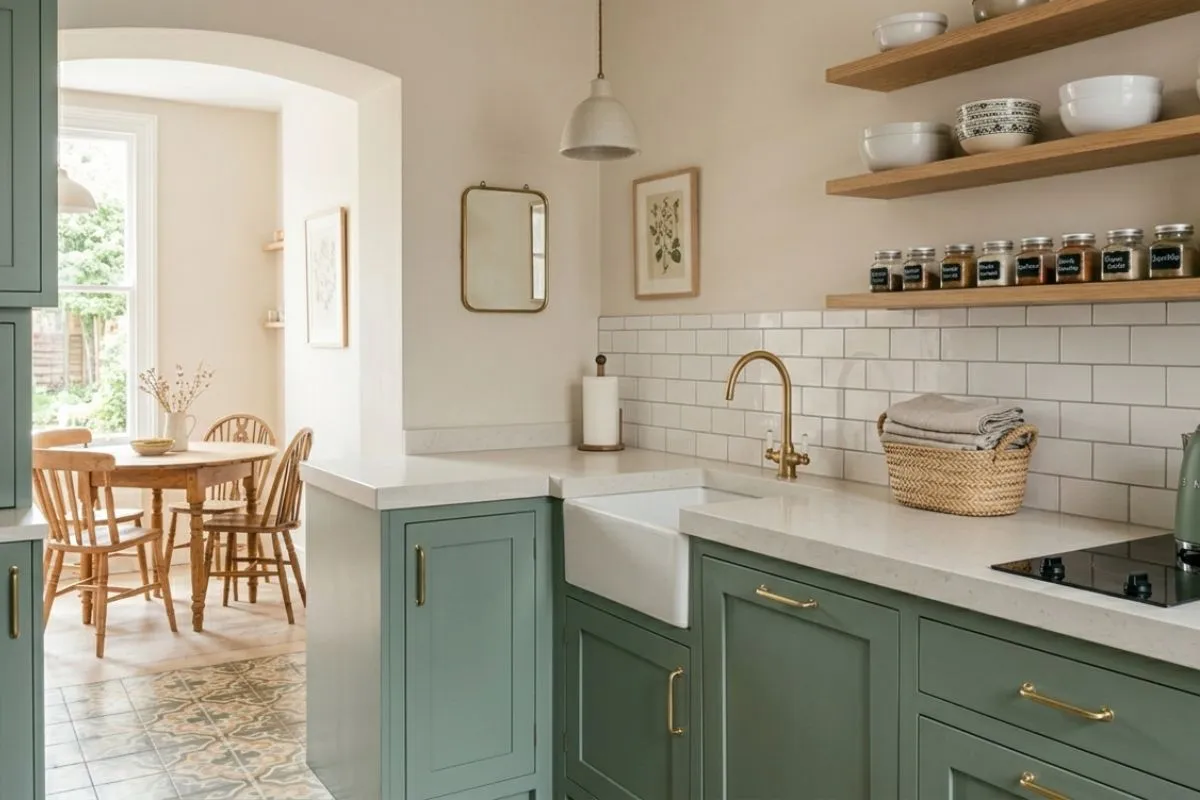
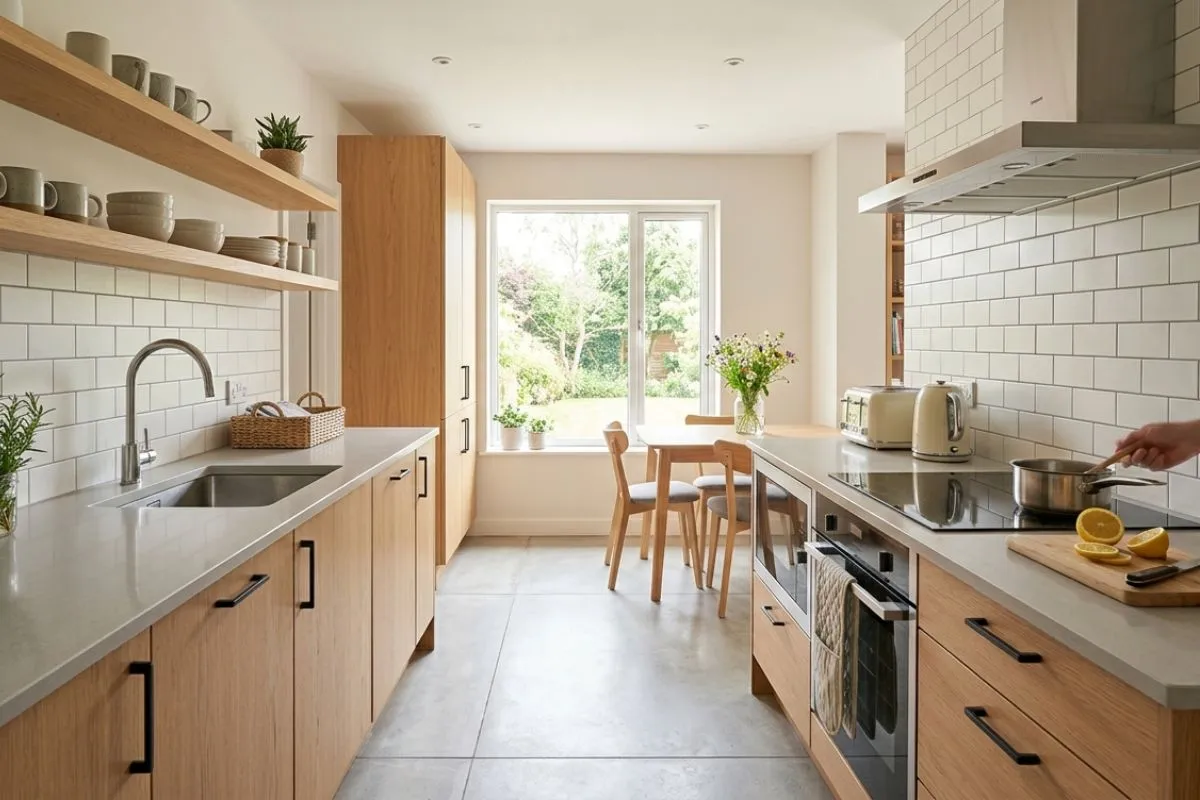
2. Simple Kitchen Interior Design
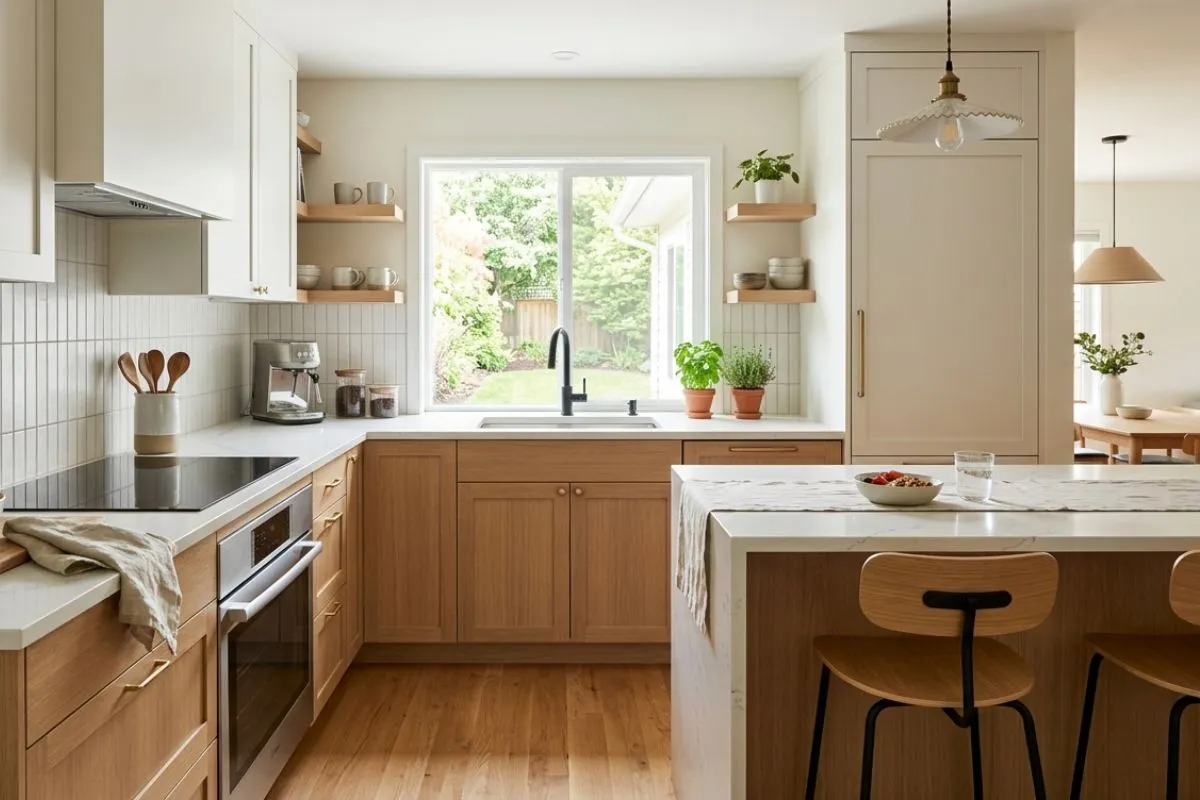
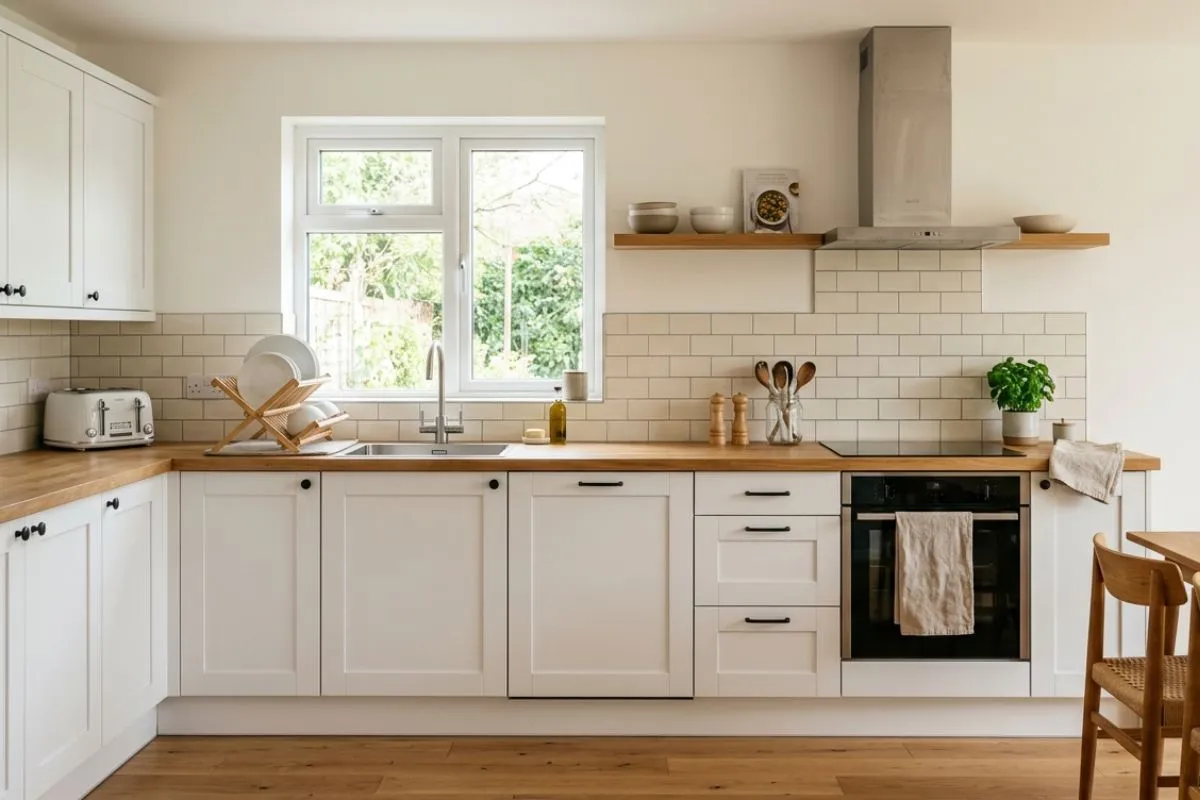
Simple kitchen interior design focuses on clean and timeless choices without making the kitchen look too busy. It is practical, easy to clean, and suitable for many budget ranges.
A simple kitchen interior design does not mean the kitchen has to look dull. White or neutral cabinets, a clean tile backsplash, a strong granite countertop, and proper lighting can make the kitchen look stylish and organised without spending too much money.
This style works especially well in Indian apartments where kitchen space is smaller and regular maintenance is important.
The best simple kitchen interior designs are the ones where every detail is selected carefully. Nothing feels unnecessary, and everything has a purpose.
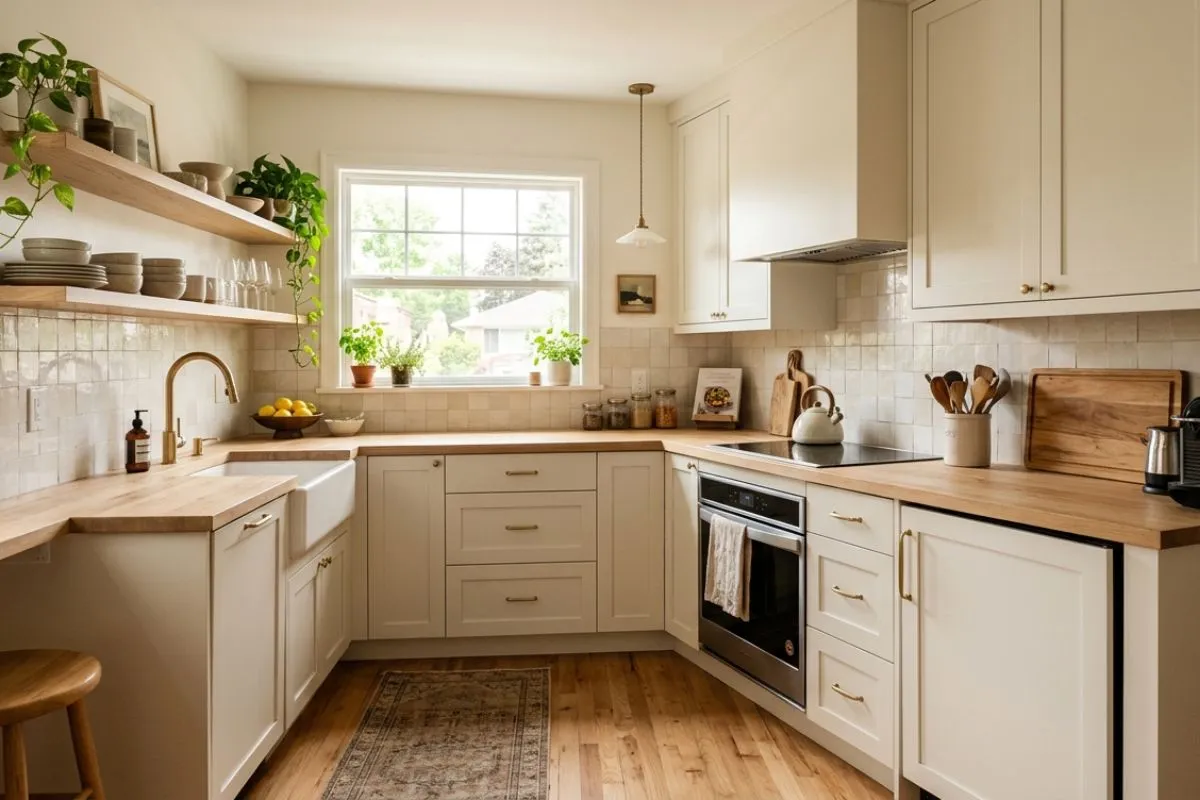
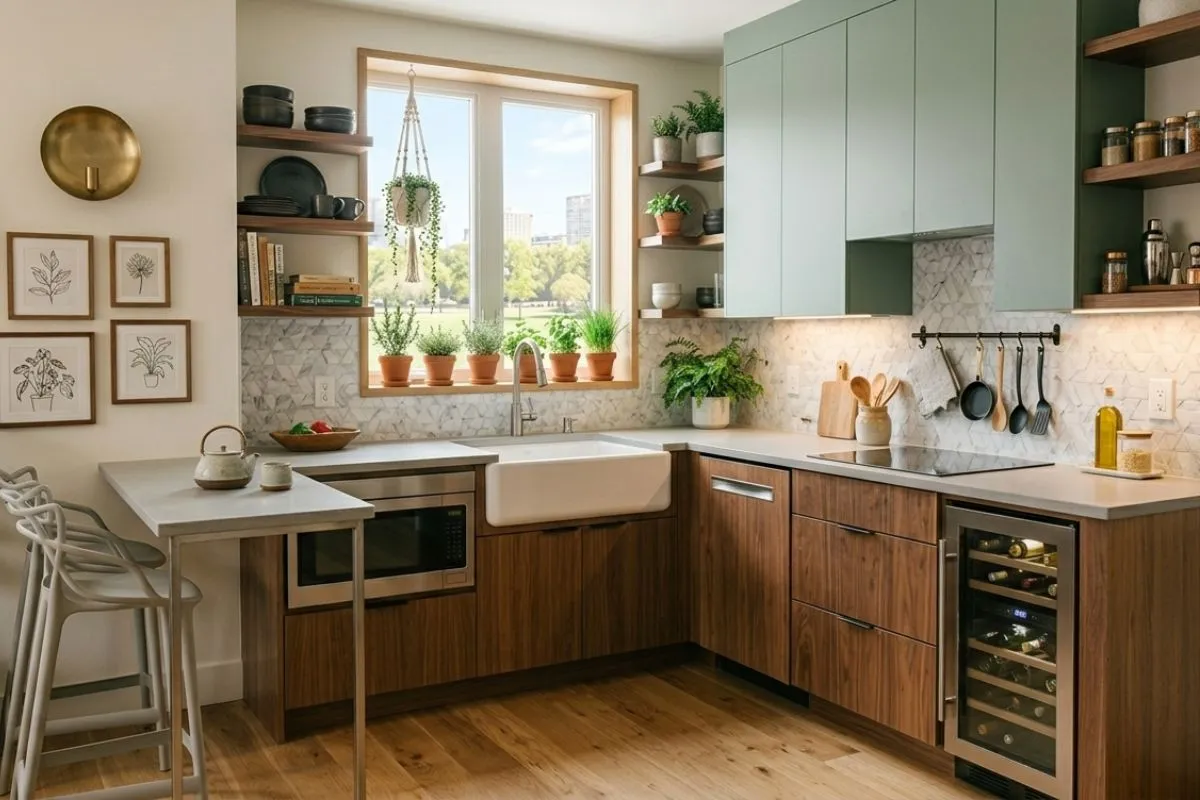
3. Small Kitchen Interior Design
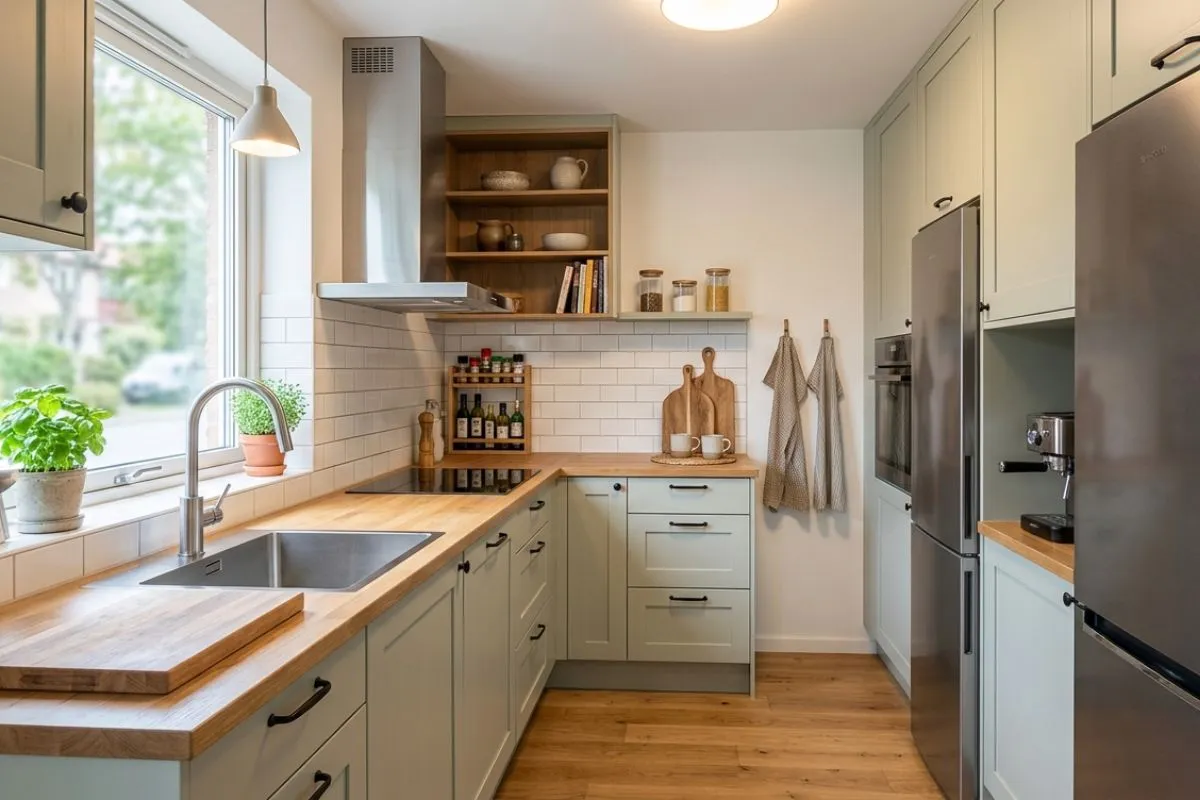
Small kitchen interior design is common in many Indian homes. Most apartment kitchens are between 50 and 80 square feet, so using the space properly needs smart planning.
The ideas that make small kitchen interior design successful are simple. Light colours help the kitchen feel more open, smart layouts improve storage and counter space, tall cabinets use wall height properly, built-in appliances save space, and clean countertops make the kitchen feel less crowded.
For anyone searching for practical ideas for optimising small kitchen spaces, the first thing to focus on is the layout, because once the layout is planned properly, storage and design decisions become much easier to manage.
An L-shaped or parallel layout usually works best in small kitchens. Tall storage units, pull-out drawers and shelves, and a foldable or wall-mounted breakfast counter instead of a large island are practical and popular choices for small kitchen interior design in India.
4. Luxury Kitchen Interior Design
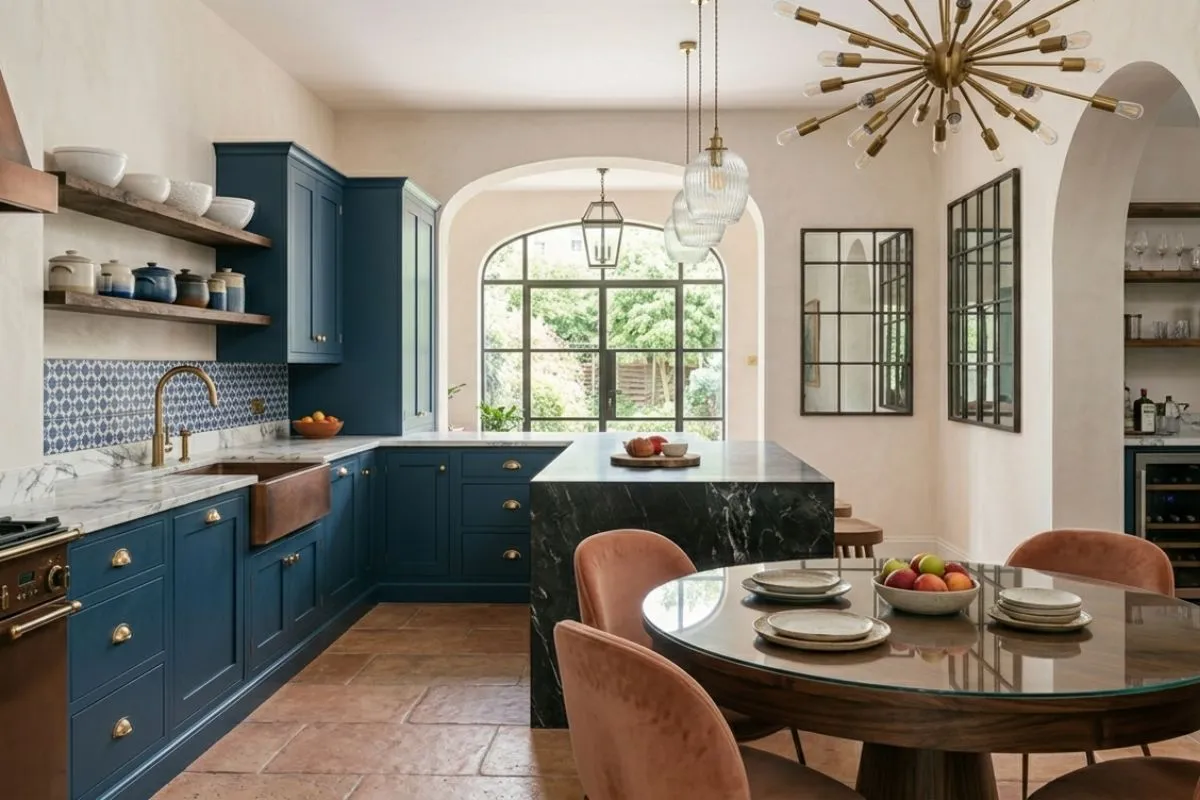
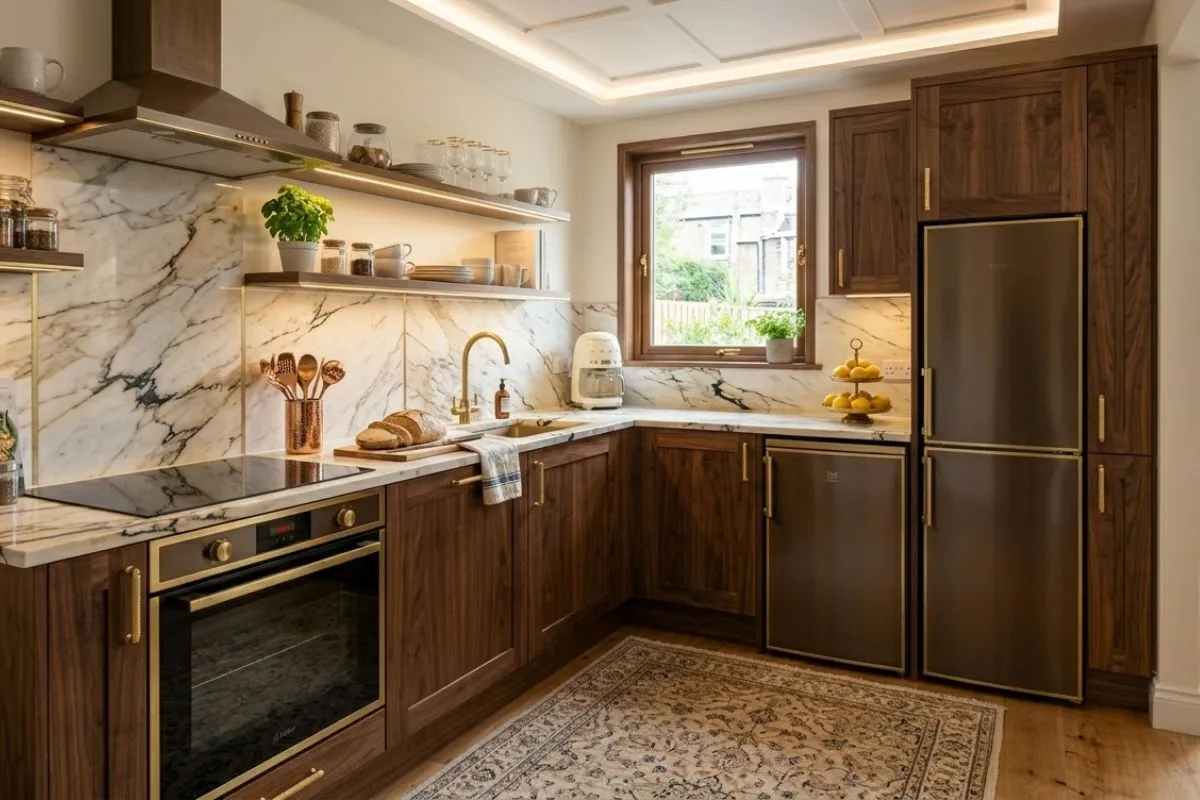
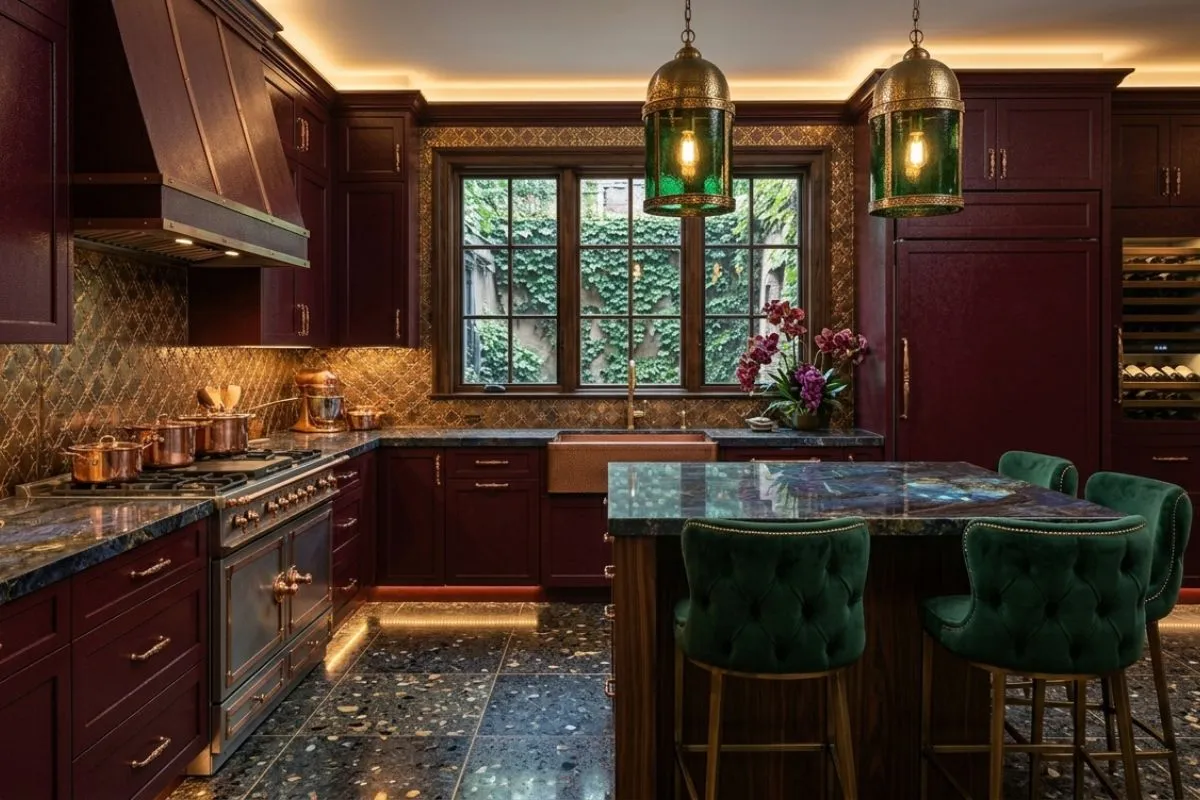
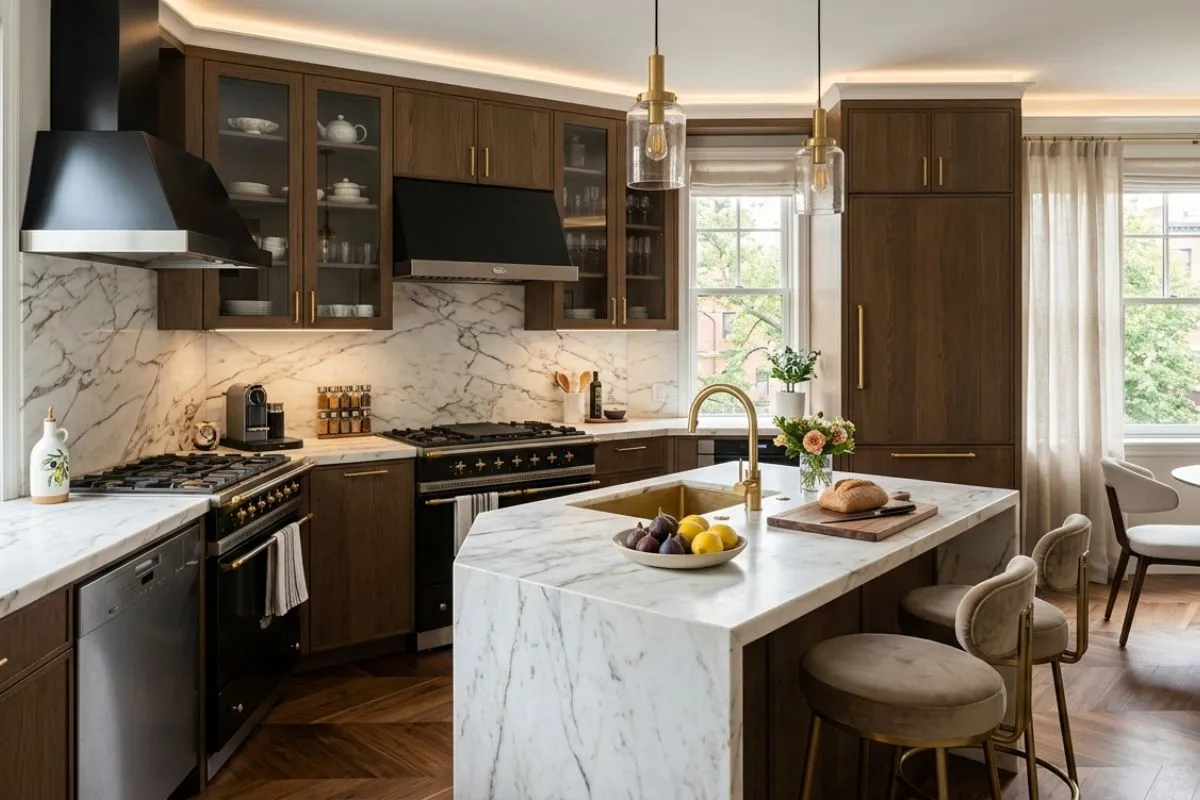
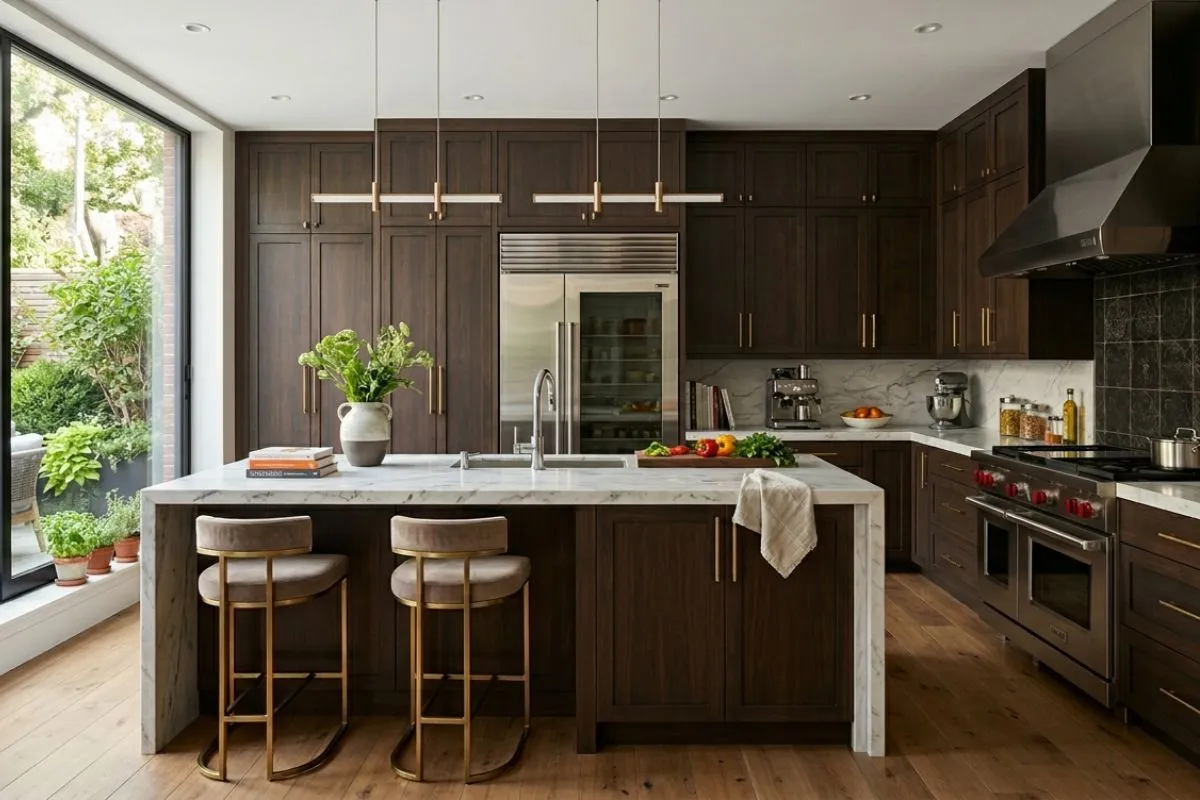
Luxury kitchen interior design is about creating a kitchen that looks premium through high-quality materials, detailed finishing, and carefully planned design choices.
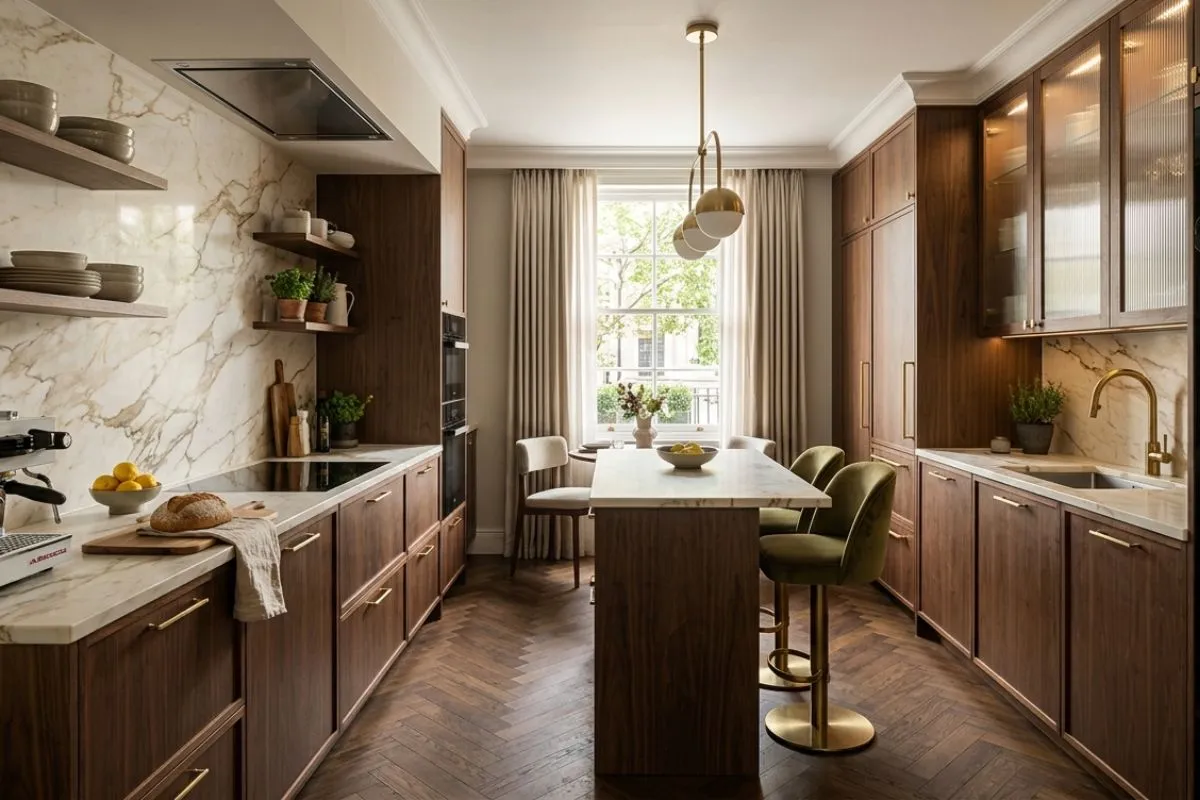
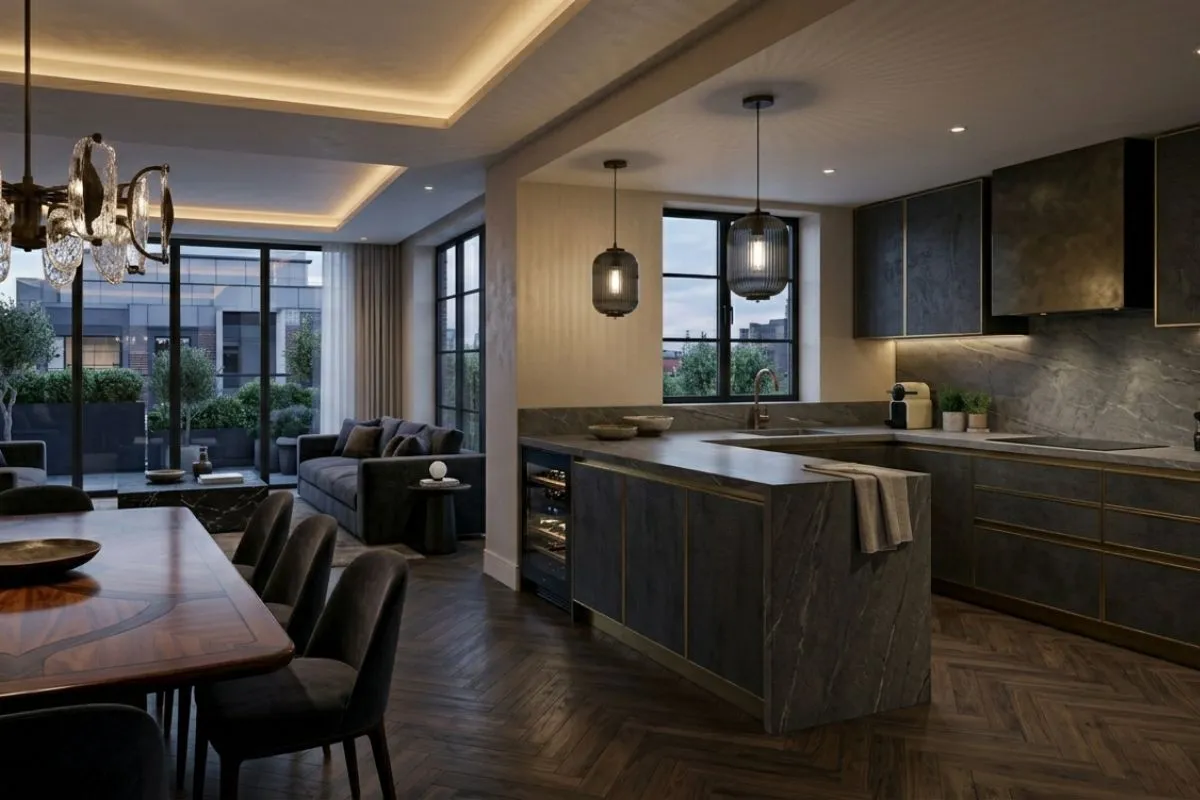
In India, luxury kitchen interior design usually includes custom modular cabinets in glossy or matte finishes, quartz or natural stone countertops and backsplashes, built-in premium appliances, an island counter with hanging lights, a stylish chimney in steel or glass, and hardware in brushed gold or matte black finishes.
Luxury kitchen interior design does not always mean the kitchen has to look flashy or oversized. The best luxury kitchens are the ones where premium materials and simple design work together beautifully, creating a clean, elegant, and well-balanced space.

How to Design Kitchen Interiors for Indian Homes
1. Indian cooking is intense.
Indian cooking involves high heat, deep frying, tadka in hot oil, and regular pressure cooking. This creates more heat, steam, and grease in the air compared to many other cooking styles.
Because of this, every material used in the kitchen like cabinets, countertops, tiles, and flooring should be selected carefully. Durability and easy cleaning are not extra benefits. They are essential in an Indian kitchen.
2. Kitchens are used multiple times a day.
Kitchens in Indian homes are used many times every day. Most families cook breakfast, lunch, and dinner daily, so the kitchen faces more daily use and damage than kitchens in many other countries. Materials that need delicate care or regular maintenance are usually not practical for Indian homes.
3. Storage needs are high.
Indian cooking uses many spices, lentils, flours, oils, utensils, and containers. An Indian kitchen needs much more storage compared to a Western kitchen of the same size. Smart and organised storage is one of the most important parts of kitchen interior design.
4. Vastu for the kitchen.
Many Indian families consider vastu when planning the kitchen. The south-east direction is commonly preferred for the kitchen, with the cooking hob placed so that the person cooking faces east. If vastu matters to your family, it is worth factoring this in before the layout is finalised.
5. Budget guidance for Indian kitchens.
Kitchen interior design budgets can change based on the kitchen size, layout planning, storage requirements, finishes, and the type of Modular Kitchen Materials selected for the space.
A compact kitchen with functional cabinets and standard finishes usually requires a lower investment, while customized storage, premium surfaces, advanced appliances, and designer details can increase the overall budget.
The final kitchen cost also depends on factors like cabinet quality, countertop materials, lighting design, hardware fittings, and space optimization needs.
Choosing the right combination of style, durability, and functionality helps create a kitchen that not only looks modern but also works efficiently for everyday cooking and storage requirements.
Common Mistakes to Avoid in Kitchen Interior Design
- Focusing more on looks than function. A kitchen may look beautiful in photos, but if it has poor storage, less counter space, or an uncomfortable layout, it will create problems every day. Always plan the functionality first and then work on the design.
- Choosing the wrong countertop material. Marble looks attractive but stains easily in Indian kitchens. Glossy laminates can scratch and show heat marks quickly. Granite and quartz are more practical choices for cooking and preparation areas.
- Planning less storage than needed. Many people realise the lack of storage only after they start using the kitchen. Plan storage for all your utensils, groceries, and appliances before finalising the cabinet design.
- Ignoring ventilation. A chimney and proper airflow are very important in Indian kitchen interior design. Without good ventilation, cabinets become greasy, cooking smells stay longer, and the kitchen never feels properly fresh or clean.
- Using too many colours or materials. A kitchen with many tile designs, different countertop materials, and mixed cabinet finishes can look messy and tiring to the eyes. A simple and balanced colour palette always works better.
- Poor under-counter storage. Many kitchens still use open shelves in lower cabinets. Pull-out drawers are a better option for Indian kitchens because they make it easier to see and reach everything stored at the back without bending too much.
A well-planned kitchen makes daily life easier and more comfortable. It does not need to be very big, costly, or filled with modern appliances. It simply needs smart planning that matches your cooking habits, storage needs, and personal style together.
Start by choosing the right layout, pick materials suitable for Indian cooking, select the right colour combination, and then plan the remaining details. For more ideas on house interior design, materials, colours, and planning, explore the rest of the Chapter of Design.
FAQ’s
1. What is the best kitchen layout for an Indian home?
The L-shaped and parallel layouts are the most practical for the majority of Indian apartments and homes. The L-shaped layout works well in square kitchen spaces and keeps the cooking zone well organised.
2. What countertop material is best for Indian kitchens?
Granite and quartz are the best choices for Indian kitchens. Both are heat-resistant, durable, and easy to clean. Quartz has the added benefit of being non-porous, which means it does not absorb spills or stains.
3. Is a kitchen chimney necessary in Indian kitchen interior design?
Yes – absolutely. Indian cooking generates a significant amount of smoke, steam, and airborne grease. A chimney placed directly above the cooking hob is essential to keep the kitchen clean, protect the cabinets and walls from grease buildup.