


Is Your Marble Bathroom Losing Its Natural Glow?
- Ar. Kartik Jain
- May 16
- 5 min read
Updated: Jun 16
📅 Published: June 10, 2026 | 🔄 Last Update: June 16, 2026 | ⏱️ Read Time: 5 min read
TL;DR
Michelangelo Marble can be a stunning choice for a bedroom floor, but it asks for careful planning. This guide covers everything you need to know before deciding. It looks at how to pick the right vein intensity for your room size, how to keep the floor comfortable in Indian summers and winters, how to manage sound reflection with soft furnishings, and how to care for the surface daily. It also covers slab selection, 20mm thickness, block matching, and furniture protection tips.
Table of Content
A marble bathroom feels special from day one. The cool touch under your feet. The soft veins on the wall. The polished surface that makes even a compact washroom feel like a boutique hotel.
Homes designed with premium Italian Marble Flooring often create this luxurious feeling naturally.
Then slowly the mood changes.
The floor looks cloudy. Corners turn yellow. The shower zone starts holding stains. The basin counter loses its shine. That once glowing marble bathroom begins to look tired even after regular cleaning.
This is a common story in Indian homes. Hard water. Daily bucket and mug use. Soap scum. Monsoon dampness. Strong bathroom cleaners. All these quietly damage the stone. The good news is simple. Most dullness can be controlled if you understand what is happening and treat marble like natural stone, not like regular tiles.
Why Does a Marble Bathroom Lose Its Glow?

A marble bathroom does not become dull overnight. The surface changes slowly because marble is porous and sensitive. It reacts to water, chemicals, and rough cleaning habits.
Here are the most common reasons:
Hard water deposits: Many Indian cities have mineral-heavy water. When droplets dry on marble they leave white marks and chalky patches.
Soap scum build-up: Body wash, shampoo, and bathing soaps create a sticky layer. It sits on the surface and blocks the natural shine.
Acidic cleaners: Harsh toilet cleaners, vinegar, lemon, and strong descaling liquids can cause etching. This makes the stone look faded.
Poor ventilation: A closed washroom traps moisture. Monsoon dampness makes the problem worse.
Skipped sealing: Without sealant application the stone absorbs water and stains faster.
Rough scrubbing: Hard brushes and abrasive pads damage the polished layer.
A dull marble bathroom is not always dirty. Sometimes it is chemically etched. Sometimes it is sealed badly, or it might just need some professional marble polishing.
Hard Water Stains Are the Biggest Indian Bathroom Problem
In a flat or bungalow, the shower area often suffers first. Water splashes every day. Buckets are dragged. Mugs are kept on the floor. The same wet spots dry again and again.
This leaves hard water deposits on the marble. Over time, these deposits turn into cloudy rings and pale patches. Your marble bathroom may look unclean even when the maid has just finished mopping it.
Daily Maintenance Tips for Your Marble Bathroom

A marble bathroom needs a gentle routine. Not a complicated one. The goal is to stop water and residue from sitting on the stone for too long.
Use these habits daily:
Wipe wet areas after bathing. A simple squeegee works well.
Use a pH-neutral stone cleaner instead of harsh bathroom liquids.
Avoid vinegar, lemon, bleach, and toilet cleaner on marble.
Keep shampoo bottles on a tray, not directly on the marble counter.
Dry the bucket area and corners where water stays for a long time.
Keep the exhaust fan running after a bath.
Use soft microfiber cloths instead of rough scrub pads.
These small habits protect both Italian marble and good-quality local marble. They also reduce the need for frequent repolishing.
Choose the Right Cleaner
A marble bathroom should be cleaned with a pH-neutral stone cleaner. This matters because marble reacts badly to acidic and highly alkaline products.
Many homeowners use the same cleaner for tiles, taps, toilets, and stone. That is where the damage begins. A cleaner that removes limescale from fittings may burn the polish on marble. The surface then looks patchy and flat.
For daily cleaning, use a mild stone-safe liquid diluted in water. For stubborn marks, do not scrub aggressively. Let a marble care expert inspect the stain first.
When Does a Marble Bathroom Need Deep Cleaning?
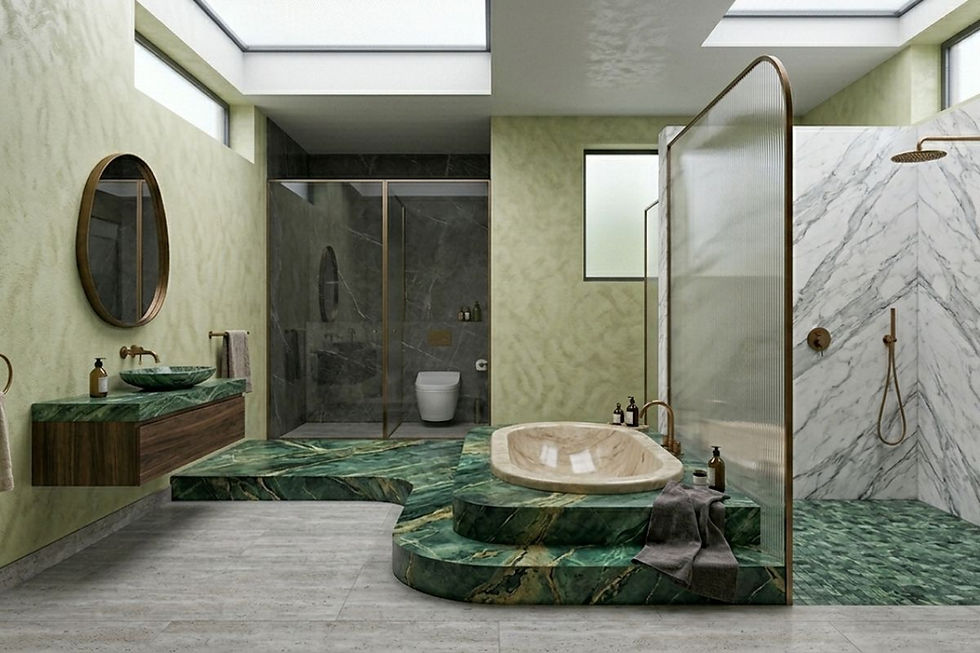
A marble bathroom needs deep cleaning when regular wiping stops working. You may see yellow patches near the drain. You may notice dull walking paths. The shower wall may look powdery. The vanity top may show water rings.
At this stage, surface cleaning is not enough.
Professional teams use stone-safe methods to remove build-up without damaging the marble. They may recommend honing if the surface has etching. They may do marble polishing if the stone has lost reflection. They may also suggest sealant application after cleaning.
Deep cleaning is especially important during bathroom renovation India projects. If you are upgrading fittings, changing plumbing, or reworking the shower zone, get the marble assessed too. There is no point installing premium lights and brass fittings if the stone itself looks lifeless.
Marble Polishing and Sealing Matter
A marble bathroom needs polishing when the top layer has worn down. Polishing brings back smoothness and reflection. It removes light scratches and improves the overall finish.
Sealing is different. It does not create shine. It protects the stone from absorbing water and stains. A good sealant application gives you more time to wipe spills before they enter the stone.
For busy Indian bathrooms, this is critical. Especially where children use buckets, guests use the washroom often, or the bathroom has limited sunlight.
Should You Call a Local Karigar or a Stone Specialist?

A marble bathroom should not be handed over to just anyone with a polishing machine. Local karigars can be helpful for basic work, but marble care needs judgement.
Ask these questions before hiring:
Will they inspect stains before polishing?
Do they understand etching and hard water deposits?
Will they use marble-safe compounds?
Can they explain whether honing is required?
Will they apply a suitable stone sealant after finishing?
A skilled team will not promise shine in five minutes. They will first understand the stone, damage level, slope, ventilation, and usage pattern.
Conclusion
A marble bathroom is more than a design choice. It is an investment in how your home feels every single day. Good marble care also plays a big role in keeping your complete Bathroom Decor elegant and luxurious for years.
The secret is not over-cleaning. It is the right cleaning. Keep water deposits under control. Use a pH-neutral stone cleaner. Avoid harsh chemicals. Plan timely marble polishing and sealant application.
If your marble bathroom has started looking dull, yellow, or patchy, do not treat it like a lost cause. The right diagnosis can bring back its depth and elegance.
FAQ's
How often should a marble bathroom be sealed?
Most Indian homes should consider sealing every 12 to 18 months. A heavily used marble bathroom may need it sooner. Shower zones and vanity counters need extra attention.
Can hard water stains be removed from marble?
Yes, many hard water stains can be removed. But strong descaling liquids should not be used. A marble bathroom needs stone-safe cleaning and sometimes professional polishing.
Is marble suitable for Indian bathrooms?
Yes, marble can work beautifully in Indian bathrooms. The key is proper slope, ventilation, sealing, and daily wiping. A marble bathroom needs more care than ceramic tiles but offers unmatched luxury.
Why is my marble turning yellow near the drain?
Yellowing can happen due to trapped moisture, soap scum, hard water deposits, or poor sealing. In some cases, rust from fittings or sub-surface moisture may also be the cause. A professional inspection is best.


Comments