


BATHROOM
Your bathroom is one of the most important spaces in your home. It is the place where your day begins and where you relax after a long day. A good bathroom interior design does not only make the space look beautiful, it also makes your daily routine more comfortable, peaceful, and enjoyable.
In India, bathrooms were mainly designed for basic use in the past. Comfort and style were not given much attention. But now, this thinking is changing quickly. Many homeowners today want a bathroom that feels neat, modern, and carefully designed. The best part is that you do not need a huge budget or a very large bathroom to create a beautiful space.
This guide will help you understand everything about bathroom interior design, including important design elements, popular styles, ideas for Indian homes, useful accessories, common mistakes, and answers to the questions people usually ask before starting their bathroom planning.
What is Bathroom Interior Design
Bathroom interior design means planning and designing the inside of a bathroom so it looks beautiful, works properly, and feels comfortable for daily use.
It includes choosing the layout of the space, floor and wall tiles/marble, lighting, fixtures like the basin, toilet, and shower, storage options, colours, and small accessories that complete the overall look.
Good bathroom interior design is not only about selecting stylish tiles or an attractive mirror. It is also about making sure every part fits well together, so the bathroom is easy to use, simple to clean, and a relaxing space for everyday life.
Key Elements of Bathroom Interior Design
1. Layout and Space Planning
The layout is the base of every bathroom interior design. Before choosing tiles or fittings, it is important to decide the placement of the toilet, basin, shower area, and storage space.
In Indian homes, bathrooms are usually small. That is why smart layout planning becomes very important. A good layout makes a compact bathroom feel bigger and comfortable to use. A bad layout can make even a large bathroom feel crowded and difficult to move around in.
If you are looking for ideas for small bathroom layouts in India, the most practical approach is to place the toilet against the far wall, the basin near the entrance, and keep the shower or bathing area in a clearly defined wet zone. This layout keeps movement easy and makes even a 35 to 40 square foot bathroom feel organised and usable.
One simple rule works best. Keep the wet area and dry area separate. The shower or bathing section should have a clear space, while the toilet and basin should be placed properly so people can use them comfortably without blocking movement.
2. Tiles and Marble - Floor and Walls
Tiles and marble are some of the first things people notice in a bathroom interior. They help create the overall look and feel of the space. In bathroom interior design in India, both tiles and marble are also important for practical use because they need to handle water, humidity, and daily cleaning without losing their finish or strength.
Premium materials like Italian Marble are also becoming a popular choice in modern and luxury bathroom interiors because of their elegant appearance and timeless appeal.
For Bathroom Floors, anti-skid tiles are always one of the safest options. Glossy tiles and polished marble may look stylish, but they can become slippery when wet.
Matte, textured, or rough-finish tiles are safer choices for Indian bathrooms where water is regularly used across the floor area. If you want to use Italian Marble or other marble flooring, choosing a matte or leather-finish surface is a better and safer option.
For a premium look with added durability, 20mm marble is an ideal choice for bathroom floors as the extra thickness handles daily wear and moisture significantly better than thinner slabs.
For Bathroom Walls, there are many design choices with tiles and marble. The best waterproof materials for bathroom walls include vitrified tiles, porcelain slabs, glass mosaic, and properly sealed marble because they handle moisture well and do not absorb water. Large format tiles give a modern look, while marble walls add a rich and elegant feel.
Italian Marble walls are popular in luxury bathroom interior design for their premium appearance, and mosaic tiles add texture and style to the space.
Mosaic tiles add texture and style to the space. Neutral shades like white, grey, beige, and off-white remain timeless choices for both marble and tiles. Earthy colours like olive, clay, and terracotta are also becoming popular in modern bathroom interior design in India because they give the bathroom a warm and natural feel.
3. Lighting
Lighting is one of the most ignored parts of bathroom interior design. Many people install one ceiling light and think it is enough. But a good bathroom needs two types of lighting. One is functional lighting for daily tasks like shaving and grooming, and the second is soft lighting that makes the bathroom feel relaxing and comfortable.
Natural light is always the best choice if there is a window in the bathroom. If there is no natural light, warm white LED lights create a pleasant atmosphere. Around the mirror, side lights work better than lights placed only on top because they reduce shadows on the face and improve visibility.
Backlit mirrors and LED strips below cabinets are also popular in modern bathroom interior design. They give the bathroom a soft and stylish glow without making the space look too bright.
4. Fixtures and Fittings
Fixtures include the basin, toilet, shower, taps, and faucets. These are the most used parts of the bathroom, so they should be selected based on both quality and design.
Wall-mounted basins and wall-hung toilets are popular in modern bathroom interior design because they give the bathroom a clean and modern appearance. They also make floor cleaning easier. In small bathrooms, these designs help the room look more open and less crowded.
Chrome finish is still the most practical and long-lasting choice for fittings. At the same time, brushed gold, matte black, and gunmetal finishes are becoming popular in luxury bathroom interior design because they give the bathroom a premium and stylish look.
5. Storage
Storage is a common problem in most Indian bathrooms. Bathrooms are usually small, but many things need to be stored, such as toiletries, towels, cleaning products, and bathroom accessories.
The best way to create more storage is by using vertical space. Wall-mounted cabinets, recessed shower niches, mirror cabinets, and floating shelves are smart options because they add storage without using extra floor space. Under-basin cabinets are also widely used in Indian bathroom interior design because they are practical and useful.
Storage should always look neat and simple. A clean and organised bathroom naturally feels bigger, calmer, and more comfortable, no matter how small the actual space is.
6. Colour and Finish
Colour plays a big role in creating the mood of a bathroom. Light shades like white, soft grey, cream, and light beige make the bathroom feel bright and spacious. Dark shades like charcoal, deep green, and navy create a rich and relaxing spa-like atmosphere and are often used in luxury bathroom interior design.
For Indian homes, simple and clean colour combinations usually work best. They are easier to maintain, look fresh for a long time, and match well with different styles of bathroom interior accessories that may be added later.
How to Clean Bathroom Flooring
Keeping your bathroom floor clean is just as important as choosing the right material for it. Even the best tiles or marble can lose their shine if they are not cleaned properly over time.
1. For Vitrified and Ceramic Tiles
A mild floor cleaner mixed with water is enough for regular mopping. Try not to use strong acids or bleach cleaners again and again because they can damage the grout lines and make the tile surface look dull over time.
For tough stains near corners or drains, use a soft scrub brush with a gentle cleaner to remove dirt without scratching the surface.
2. For Marble Flooring
Cleaning needs a little more care. Marble is a natural stone and can react badly to acidic cleaners. Always use a pH-neutral cleaner specifically made for natural stone.
Wipe spills quickly because liquids like shampoo, soap, and hard water can leave marks if left sitting on the surface for too long. Avoid rough scrubbing pads as they can cause fine scratches on the marble finish.
3. For Anti-Skid Tiles
The textured surface helps prevent slipping, but it can also collect soap dirt and grime inside the grooves. Cleaning once a week with a soft-bristle brush and a tile cleaner helps keep the texture clean and the floor hygienic.
23+ Bathroom Interior Design
1. Modern Bathroom Interior Design
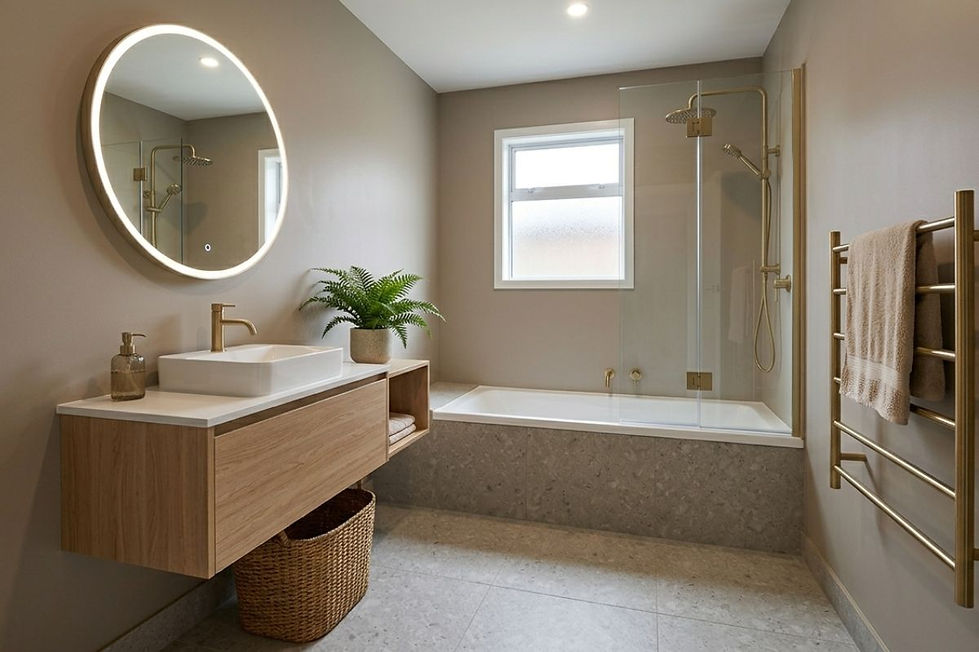
Modern bathroom interior design is clean, simple, and practical. It uses straight lines, smooth surfaces, neutral colours, and simple fittings. There are no extra decorative items because every part of the bathroom has a purpose.
This style works very well in small Indian bathrooms because the clean design makes the space look bigger. White and grey tiles, frameless glass shower partitions, wall-hung toilets, and backlit mirrors are common features of a modern bathroom interior design.


2. Simple Bathroom Interior Design
Simple bathroom interior design is all about keeping the bathroom neat, clean, and comfortable without adding too many design details.
This style is perfect for homeowners who want a bathroom that is easy to clean and always looks stylish. White tiles, simple chrome fittings, a clean mirror, and proper lighting are enough to create this look. Simple bathroom interior design does not mean the bathroom will look plain. When each item is selected carefully, even a simple bathroom can look attractive and elegant.
.jpg)
.jpg)
.jpg)
.jpg)
3. Luxury Bathroom Interior Design
Luxury bathroom interior design is about creating a bathroom that feels relaxing and premium. Large marble or stone tiles, freestanding bathtubs, rainfall showers, stylish mirrors, warm lighting, and high-quality fittings in brushed gold or matte black finishes are often used in this style. For a truly refined finish, pre-polished marble is an excellent choice in luxury bathrooms because it arrives from the factory already polished to a consistent, high-quality shine.
In India, luxury bathroom interior design is becoming very popular, especially in large apartments, independent houses, and duplex homes. It is not only about spending a lot of money. It is about selecting the right materials and details that give the bathroom a rich and elegant feel.
Even a medium-sized bathroom can look luxurious with the right marbles, lighting, and accessories.

.jpg)
.jpg)
.jpg)
.jpg)
4. Minimalist Bathroom Interior Design
Minimalist bathroom interior design is a more refined version of modern design. It focuses on using only the necessary elements while still making the bathroom feel peaceful and complete.
Flat walls, hidden storage spaces, concealed cisterns, seamless tiles that continue across the floor and walls, and a very simple colour palette, usually one or two shades, are the main features of this style. The final look feels calm, clean, and relaxing.

.jpg)
.jpg)
.jpg)
.jpg)
5. Traditional and Indian-Inspired Bathroom Design
Not every home matches a modern or minimalist style. Many Indian homeowners prefer bathrooms that feel warm, comfortable, and connected to traditional Indian design.
.jpg)

.jpg)
.jpg)
.jpg)
Bathroom Interior Design for Indian Homes
1. Space is Usually Small
Most Indian apartments and homes have bathrooms between 30 and 60 square feet. Every design choice, like tile size or bathroom fittings, should match the available space. If you are exploring the best bathroom design ideas for small apartments in India, the most effective approach combines wall-hung fittings, large mirrors, light colours, and smart vertical storage.
These choices together help a compact bathroom feel more open, organised, and visually larger than it actually is.
2. Humidity and Moisture Are Common
India’s climate, especially in coastal cities and during monsoon season, keeps bathrooms exposed to moisture throughout the year. It is important to choose water-resistant tiles, apply proper waterproofing before tiling, and ensure good ventilation. Poor ventilation can cause damp walls, mould, and a bathroom that never feels fresh or clean.
3. Hard Water is a Common Issue
In many Indian cities, hard water leaves stains and marks on taps, fittings, and glass surfaces. It is better to choose fixtures with anti-scale coatings when possible. Glass shower partitions may also need regular cleaning in areas with hard water.
4. Vastu Considerations
Many Indian families follow vastu shastra while planning their bathroom layout. Bathrooms are usually preferred in the north-west or west side of the home, and toilets facing north or south are often avoided. If vastu is important for your family, discuss it with your designer before the final layout is planned.
5. Budget Always Plays an Important Role
Bathroom interior design costs can vary depending on the size of the space, material selection, fittings, storage needs, and overall design preferences. A simple bathroom with basic tiles and standard fittings will naturally require a lower budget, while customized layouts, premium finishes, modern lighting, and branded accessories can increase the overall investment.
The final budget also depends on factors like plumbing changes, waterproofing, ventilation, and the level of personalization you want in the space. Planning your bathroom design according to your lifestyle, daily usage, and long-term comfort helps create a practical and visually appealing bathroom without unnecessary expenses.
Bathroom Interior Accessories
Here are the key bathroom interior accessories worth investing in:
-
Mirror: The mirror is one of the main parts of most bathrooms. A good mirror can completely change how the bathroom looks and feels. Backlit mirrors add a warm and modern look. Large mirrors can make small bathrooms feel much bigger.
-
Towel Rails and Rings: These may look small, but they are easy to notice. Choose a finish that matches your taps and other fixtures to create a clean and matching look. Heated towel rails add a luxury feel and are very useful in colder weather.
-
Soap Dispenser and Toothbrush Holder: Matching accessories in the same material or colour like ceramic, matte metal, or glass help keep the countertop neat and well-organised.
-
Shower Caddy or Niche: A recessed niche inside the shower wall is the best way to store shampoos and soaps neatly. If the tiles are already installed, a simple shower caddy in a matching finish is also a good option.
-
Plants: A small indoor plant adds freshness and softness to the bathroom. Plants like pothos, snake plant, and peace lily grow well in bathroom conditions and make the space feel more fresh and welcoming.
-
Candles or Diffuser: Fragrance is often ignored in bathroom interior design. A simple diffuser or a few candles can make the bathroom feel calm, relaxing, and more personal instead of only a functional space.
-
Anti-Slip Bath Mat: This is practical and important for safety, especially for children and older family members. Choose a mat in a colour that matches your tile palette.
How to Plan Your Bathroom Interior Design
Step 1 - Fix the Layout First
Decide where the toilet, basin, shower, and storage will be placed. If you are renovating, check if the current plumbing setup allows changes because moving drainage points can increase the cost a lot.
Step 2 - Set Your Budget
Decide how much you want to spend before choosing tiles and fixtures. In bathroom design, costs can increase very quickly because every item may look affordable on its own, but the total amount becomes high.
Step 3 - Choose Your Style
Choose your style and plan your Bathroom Decor carefully. Look at different references like modern, simple, luxury, or traditional designs. Pick the style that matches your home and personal taste. This will help you make the right choices later.
Step 4 - Choose Tiles
Select floor and wall tiles together so the colours and textures match well. Always buy 10-15% extra tiles to manage cuts and breakage.
Step 5 - Choose Fixtures and Fittings
Select the basin, toilet, shower fittings, taps, and accessories together. Keep the same finish across all metal items for a balanced look.
Step 6 - Plan Lighting
Decide on the ceiling light, mirror lighting, and accent lighting before the electrical work starts.
Step 7 - Add Accessories Last
After the main design is complete, choose accessories like mirrors, towel rails, storage, plants, and decor to finish the space nicely.
Common Mistakes to Avoid in Bathroom Interior Design
-
Using glossy tiles on the bathroom floor. They may look stylish in the showroom, but they can become very slippery and unsafe when wet. Always choose anti-skid tiles for bathroom flooring.
-
Skipping waterproofing. Waterproofing behind the tiles is very important. If you skip it, it can cause water leakage, damp walls, and costly repairs after a few years.
-
Ignoring ventilation. A bathroom without proper ventilation stays wet, smells bad, and can damage the walls over time. Make sure there is a window or an exhaust fan.
-
Choosing fixtures in different finishes. Chrome taps with a gold towel ring and a matte black mirror frame can make the bathroom look mismatched and unplanned. Use one finish for all metal fixtures.
-
Adding too much storage without planning. More cabinets do not always mean better storage. Plan storage according to the items you actually use in the bathroom, and keep daily-use items easy to access.
-
Forgetting lighting near the mirror. One ceiling light can create shadows on the face. Always add proper lighting near or around the mirror area.
A well-designed bathroom can make your home feel better every day. It does not need to be very big or costly, it just needs smart planning. Start with the basics, pick a style you like, choose the right materials, and add accessories that complete the space.
If you want more detailed ideas about specific elements, explore our guides on house interior design, materials, lighting, and more right here on Chapter of Design.
FAQ’s
1. What is the most popular bathroom interior design style in India?
Minimalist Modern bathroom interior design are the most popular styles in Indian homes today. They work well in compact spaces, are easy to maintain, and look fresh for a long time without feeling dated.
2. What are the must-have bathroom interior accessories?
A good mirror, matching towel rails, a soap dispenser set, a shower niche or caddy, and an anti-slip bath mat are the essentials. Adding a small plant and a diffuser makes the space feel more complete.
3. What colour is best for bathroom interior design in India?
White, soft grey, off-white, and beige are the most popular and practical choices. They reflect light, make small spaces feel bigger, and pair well with any style of fixtures and accessories.
4. How to choose waterproof bathroom tiles for Indian homes?
For Indian homes, the best waterproof bathroom tiles are vitrified tiles and porcelain slabs with a water absorption rate of less than 0.5 percent. These materials do not absorb moisture, are easy to clean, and hold up well in the humid conditions common across most Indian cities.